
Dental Treatment During Pregnancy: What Is Safe?
Routine dental care is safe — and important — while you are expecting. Here is what the evidence really says.
Yes — dental treatment during pregnancy is safe, and in many cases it is essential. Professional cleanings, fillings and even necessary root canals can and should be carried out while you are expecting, ideally in the second trimester. Leaving an infection or gum inflammation untreated poses a far greater risk to you and your baby than the treatment itself.
At EsteGo Clinic in Istanbul (Mecidiyeköy, Şişli), our team has cared for more than 40,000 patients from 47+ countries over 15+ years — including many expectant mothers. This evidence-based guide explains which procedures are safe, when to schedule them, and which treatments are better postponed until after your baby arrives.
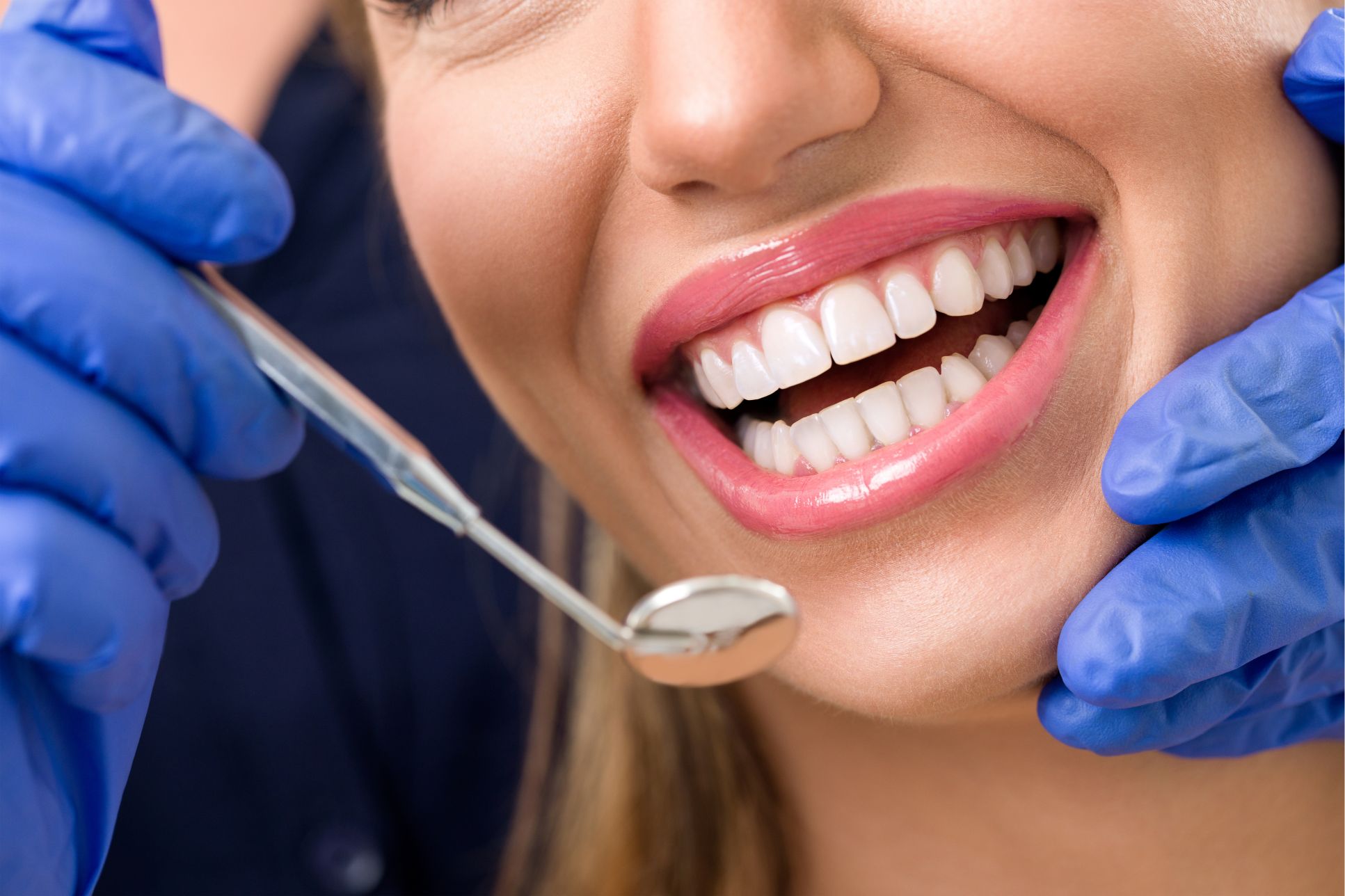
Is Dental Treatment During Pregnancy Safe? The Direct Answer
Leading dental and medical organisations agree: preventive and restorative dental treatment during pregnancy is safe in every trimester. According to the American Dental Association patient resources, cleanings, cavity fillings and root canals for infected teeth should not be delayed simply because you are pregnant. The key is to tell your dentist how far along you are, so appointments can be planned around your comfort and your medical history.
Untreated problems, on the other hand, tend to worsen quickly. A small cavity can progress to a painful abscess within months — see our guide to modern tooth decay treatment to understand why early action matters so much.
The Best Time for Dental Treatment During Pregnancy
The second trimester (weeks 14–27) is the ideal window. Morning sickness has usually eased, lying back in the dental chair is still comfortable, and your baby’s critical organ development is already complete. The first trimester is fine for check-ups and gentle cleanings, while in the third trimester long sessions become physically tiring — shorter appointments with an adjusted, slightly upright chair position are preferred.
Emergencies are the exception to every scheduling rule. An abscess, facial swelling or severe pain must never wait, whatever the trimester: uncontrolled infection and pain are far riskier for your baby than prompt dental treatment during pregnancy.
Local Anaesthesia and X-Rays: What the Evidence Says
Local anaesthetics such as lidocaine are considered safe for expectant mothers and reach the baby only in negligible amounts. Your dentist simply uses the lowest effective dose, and treatment remains completely pain-free. You can read more about our gentle approach on our dental anaesthesia and sedation page.
Dental X-rays are taken only when they genuinely change your treatment, always with a protective lead apron and thyroid collar. Modern digital sensors use a tiny fraction of the radiation of older film systems — a single digital dental X-ray exposes you to less radiation than a short aeroplane flight.
Planning Dental Treatment During Pregnancy?
Send a photo or ask a question — our medical team replies the same day.
💬 Consult via WhatsApp
Pregnancy Gingivitis: The Real Risk Is Doing Nothing
Hormonal changes make gums more sensitive to plaque, and studies show that 60–75% of expectant mothers develop some degree of pregnancy gingivitis — red, swollen gums that bleed when brushing. Untreated gum inflammation has been linked to complications such as preterm birth and low birth weight, which is why a professional dental cleaning and scaling is one of the most valuable forms of dental treatment during pregnancy.
If bleeding is persistent or your gums are receding, ask about dedicated gum disease treatment. Gentle, non-surgical periodontal care is safe while you are expecting and brings rapid relief.
What to Postpone — and a Tip for Morning Sickness
Purely cosmetic procedures are best scheduled after birth: teeth whitening, elective veneers, implants and other aesthetic work can comfortably wait a few months. If you are planning a treatment trip to Istanbul, our advice is simple — complete major dental work before conception or after delivery, and limit dental treatment during pregnancy to preventive care and genuinely necessary procedures.
One practical enamel tip: after vomiting from morning sickness, do not brush your teeth immediately. Stomach acid temporarily softens enamel, and brushing straight away wears it down. Rinse with water or a fluoride mouthwash instead and wait about 30 minutes before brushing. And if you are unsure whether a dental problem can wait until after birth, a free online dental consultation gives you a specialist answer without leaving home.
Frequently Asked Questions
Get your free dental assessment
Send photos for a personalised plan and quote — no obligation.
Get a Free Hair Analysis
Talk to our specialist for personalized planning and pricing.