
Home vs Professional Teeth Whitening: What Actually Works?
A dentist-honest comparison of at-home kits and in-clinic whitening — speed, results, safety, cost, and how long each really lasts.
The short, honest answer to home vs professional teeth whitening is this: professional, dentist-supervised whitening uses higher, carefully controlled peroxide concentrations, so it brightens faster, more evenly, and for longer — while home kits are cheaper and gentler but weaker, slower, and riskier if you misuse them. The right choice depends on how many shades you want to change, your budget, and the health of your teeth and gums.
At EsteGo Clinic in Istanbul (Mecidiyököy, Şişli), our dentists have guided more than 40,000 patients from 47+ countries over 15+ years, and whitening is one of the most common questions we hear. This guide lays out the real trade-offs — no marketing spin — so you can decide with clear eyes.
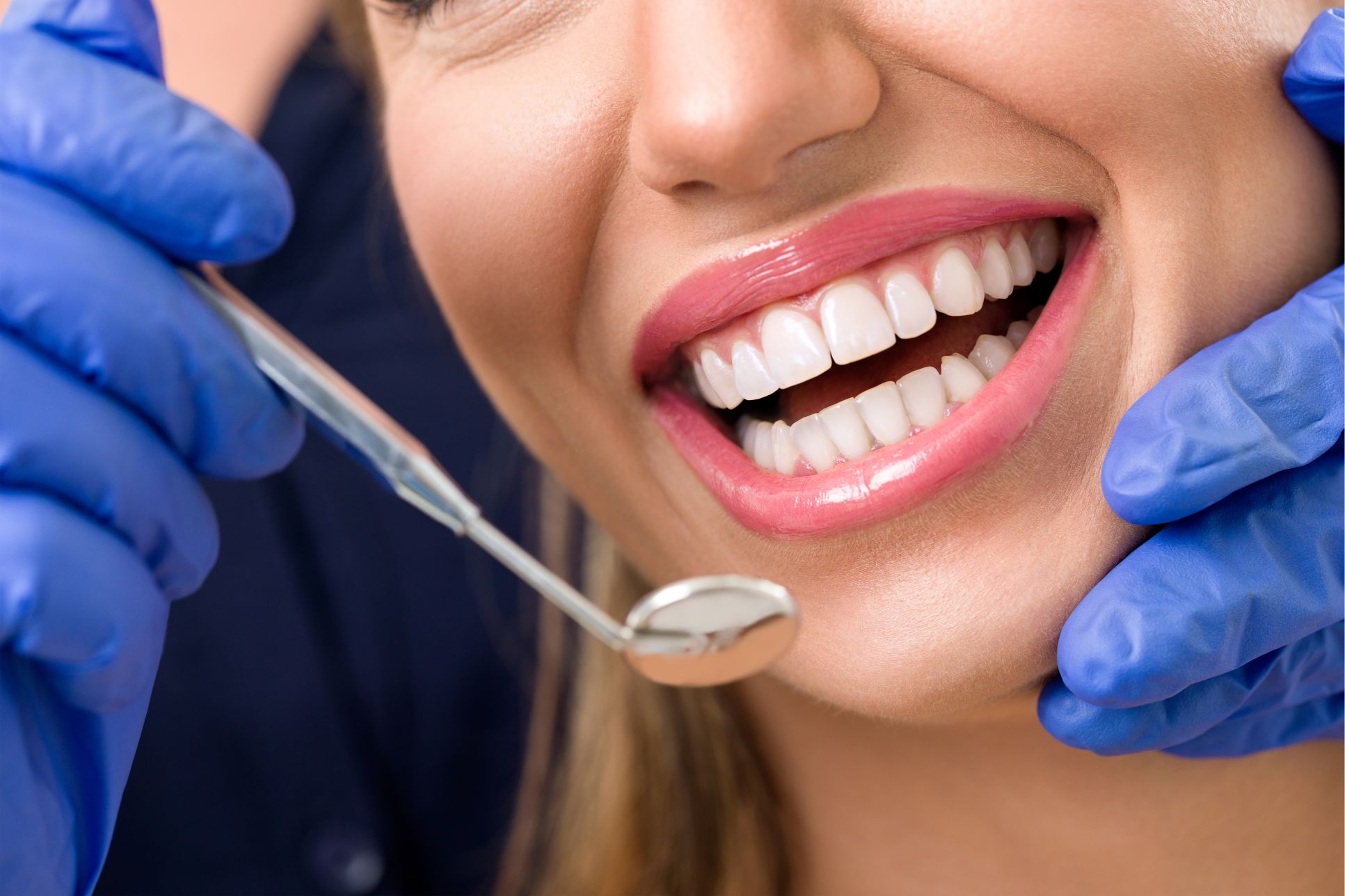
Home vs Professional Teeth Whitening: Speed and Results Compared
When people compare home vs professional teeth whitening on speed alone, the clinic clearly wins. A single in-office session with high-concentration hydrogen peroxide, often paired with a light or laser, can lift teeth several shades in about an hour. Custom take-home trays made by a dentist follow close behind, delivering a noticeable change in one to two weeks.
Over-the-counter kits work far more gradually. Whitening strips and generic LED trays carry much lower peroxide levels, so they typically need two to four weeks of daily use to shift one to three shades. Whitening toothpaste is milder still — it polishes away surface stains but cannot lighten the deeper colour of the tooth itself.
How Home Whitening Kits Actually Work
Most at-home options fall into four groups: peroxide strips, boil-and-bite or generic gel trays, LED accelerator kits, and whitening toothpastes. They rely on low doses of peroxide or gentle abrasives, which is exactly why they are safer to sell without supervision — and also why they are slower.
The main drawback is control. Ill-fitting trays let gel touch the gums, and strips do not wrap around every surface, so results can look patchy or leave darker gaps between teeth. Overusing a kit to chase faster results is the most common cause of tooth sensitivity and gum irritation we see. If you want to reduce discolouration first, our notes on stained teeth and daily oral hygiene tips are a sensible starting point.
Safety, Sensitivity, and Who Should See a Dentist First
Whitening is safe for most healthy mouths, but it is not for every mouth right now. Untreated cavities, gum disease, cracked enamel, or exposed roots can turn a routine treatment into a painful one. A dentist checks for these problems first, protects your gums during the procedure, and can add desensitising agents that home kits simply do not include.
If you have persistent sensitivity, decay, or bleeding gums, treat those before whitening anything. For balanced, evidence-based background reading, the American Dental Association patient resources explain what whitening can and cannot do. This is the single biggest advantage of the professional route: a trained clinician is watching for warning signs the whole way.
Not sure which whitening path fits your teeth?
Send us a photo and get a free, honest opinion from an EsteGo dentist — no obligation.💬 Get my free whitening analysis
Cost: Turkey vs the UK and US
Cost is often the deciding factor in home vs professional teeth whitening. Home strips or LED kits run roughly €20–€50, which is why they are so popular. Professional in-clinic whitening in the UK usually costs around £300–£700, and in the US about $400–$1,000.
In Turkey, the same dentist-supervised whitening typically ranges from about €100 to €250 — a fraction of UK or US prices for comparable, regulated care. That gap is why many international patients combine treatment with a short stay; you can see how it works on our teeth whitening in Turkey page.
Longevity and Maintenance After Home vs Professional Teeth Whitening
Professional results generally last from several months up to two or three years, especially with custom trays for occasional top-ups. Home kits fade sooner because they do not reach as deep to begin with. Either way, coffee, tea, red wine, and tobacco are the enemies of a bright smile, and good after-whitening care makes the difference between results that stick and results that vanish in weeks.
One firm rule applies to both routes: whitening only works on natural enamel. It will not change the colour of veneers, crowns, bonding, or fillings. If you have existing restorations, whiten your natural teeth first and match the new shade, or consider whether whitening or veneers better suits your goals.
Frequently Asked Questions
Get your free dental assessment
Send photos for a personalised plan and quote — no obligation.
Get a Free Hair Analysis
Talk to our specialist for personalized planning and pricing.