
Invisalign in Turkey Cost, Process & Is It Worth It?
The same clear aligners you would get at home, planned by an experienced Istanbul orthodontic team — for a fraction of the price.
Invisalign in Turkey costs a fraction of what you would pay at home — typically €1,500–3,000, compared with £3,500–5,500 in the UK or $4,000–7,000 in the US — while using the exact same clear aligners made by Align Technology.
At EsteGo Clinic in Istanbul (Mecidiyeköy, Şişli), our orthodontic team has treated more than 40,000 patients from over 47 countries across 15+ years. This guide gives honest, direct answers on pricing, how cross-border treatment actually works, who is a good candidate, the realistic timeline, and — just as importantly — when travelling abroad is not the right choice for you.
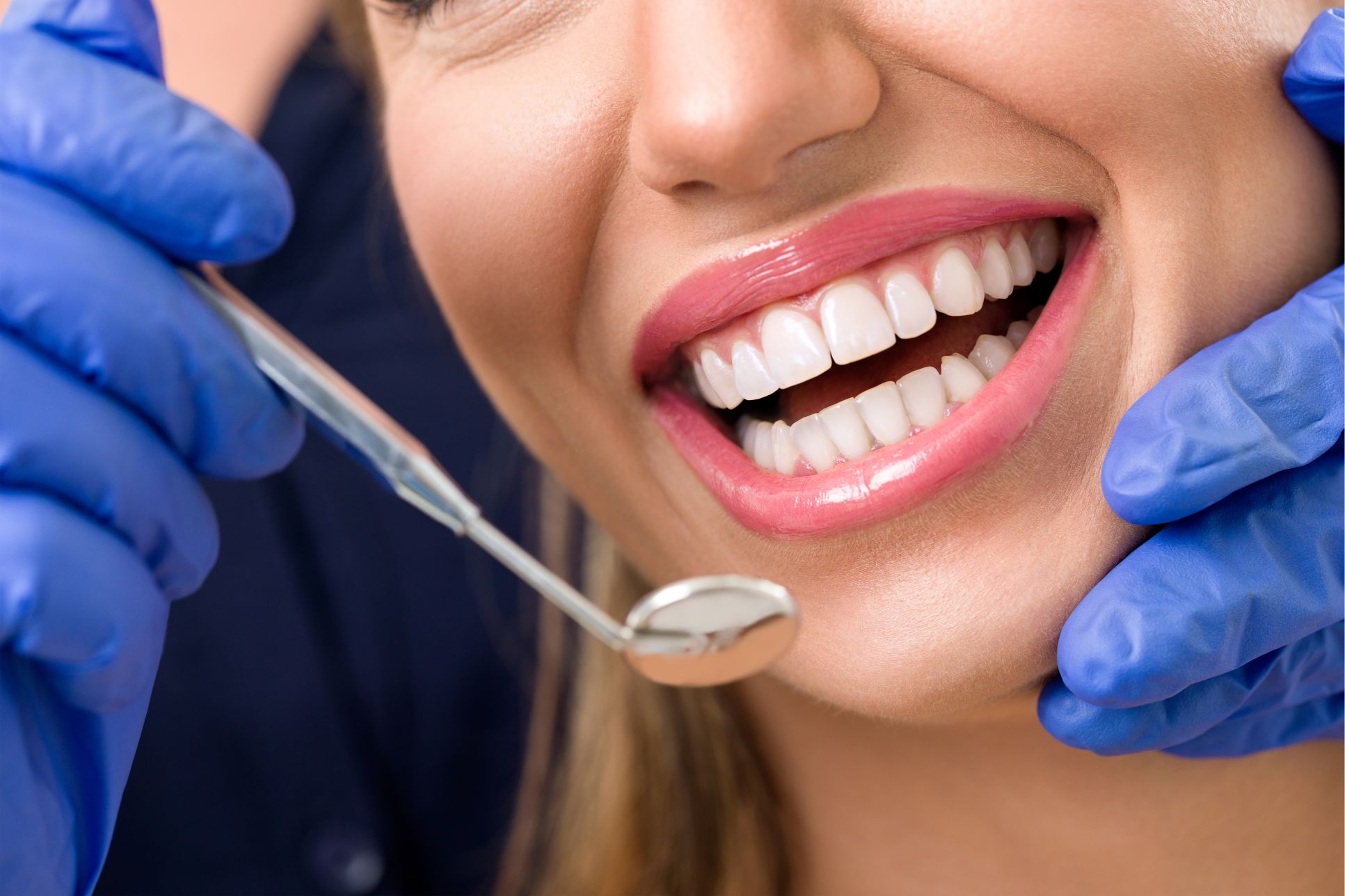
How much does Invisalign in Turkey cost?
Most patients pay between €1,500 and €3,000 for a full course of Invisalign in Turkey. The final figure depends on how many aligner sets your case needs: a light case correcting minor movement sits at the lower end, while a comprehensive case fixing significant crowding or spacing sits at the top. For comparison, the same treatment is commonly £3,500–5,500 in the United Kingdom and $4,000–7,000 in the United States.
Why the gap? Lower clinic overheads, staff costs and rent in Istanbul — not cheaper aligners. The trays are manufactured by Align Technology to the same specification wherever the scan is taken. A transparent quote should cover the 3D scan, the ClinCheck treatment plan, all aligner sets and your first set of retainers. Always ask what is and is not included before you travel.
How treatment works when you live abroad
Clear aligners suit cross-border care better than most dental treatments because the hands-on work is front-loaded. On your first visit to Istanbul we take digital scans, X-rays and photos, then build your ClinCheck plan so you can preview the final result before starting.
Once the plan is approved, your full series of aligners is manufactured and you take the sets home with you. You change trays on a set schedule — usually every 7–10 days — and wear each set for 22 hours a day. We monitor progress remotely through photo check-ins, and for occasional in-person reviews you can either return for a short trip or coordinate with a local dentist for refinements. If a mid-course correction is needed, we plan an extra set of refinement aligners.
For a fuller overview of tooth-movement options, see our guide to orthodontics in Turkey.
Is Invisalign in Turkey worth it? Candidacy and timeline
For the right patient, Invisalign in Turkey is genuinely worth it — you receive identical aligners and a large, verifiable saving. It works best for mild to moderate crowding, spacing, or mild relapse after previous braces. Severe bite problems, impacted teeth or complex jaw discrepancies may need fixed braces or specialist care instead, and an honest clinic will tell you if you are not a candidate.
The single biggest factor in success is discipline: aligners only move teeth while they are in your mouth, so 22 hours a day, every day, is non-negotiable. A typical timeline runs 6–18 months depending on complexity. For neutral background reading on aligners and oral health, the American Dental Association patient resources explain what treatment involves.
Not sure if you are a candidate for Invisalign in Turkey?
Send us a smile photo and get an honest, no-obligation assessment from our orthodontic team.💬 Get your free aligner assessment
Invisalign vs traditional braces vs veneers
Aligners and braces both physically move your teeth into a straighter position; the difference is mostly comfort, appearance and control. Fixed braces can be more efficient for complex rotations, while aligners are removable and near-invisible. Our detailed comparison of braces vs clear aligners can help you weigh them up.
Veneers are a different thing entirely. They do not straighten teeth — they cover the front surface to change shape and colour, which means removing healthy enamel. If your teeth are healthy and simply misaligned, moving them is more conservative than masking them. See Invisalign vs veneers and our smile design in Turkey guide for the full picture. Aligners are also a common fix for a gap between the front teeth (diastema).
Retainers, refinements and who should not travel
Straightening is only half the job — teeth drift back without retention. After your last aligner you will need retainers, worn nightly for the long term, to hold the result. Budget for these and for the occasional replacement; a good package includes your first set.
Travelling abroad is not right for everyone. Active gum disease or untreated decay must be resolved first. If you cannot commit to wearing aligners 22 hours a day, or you have a complex bite that needs frequent hands-on adjustment, a local provider may serve you better. Being honest about this upfront is part of responsible care.
Frequently Asked Questions
Get your free dental assessment
Send photos for a personalised plan and quote — no obligation.
Get a Free Hair Analysis
Talk to our specialist for personalized planning and pricing.