
zirconia vs metal ceramic crowns: An Honest Comparison
Which crown really deserves your money — and when the cheaper option is still a smart choice.
In the debate of zirconia vs metal ceramic crowns, the short answer is this: zirconia wins on aesthetics and biocompatibility, while metal-ceramic (PFM) remains a reliable, budget-friendly workhorse. Zirconia contains no metal, transmits light like a natural tooth and never produces a grey line at the gum. PFM crowns are strong and proven over decades, but their metal core makes them more opaque and can show as a dark edge when gums recede.
Both options can last 10–15 years or longer with good hygiene, so the real decision comes down to where the crown sits in your mouth, how visible it is when you smile, whether you have metal sensitivities — and your budget. This guide walks through each difference honestly, without pretending one material is right for every patient.
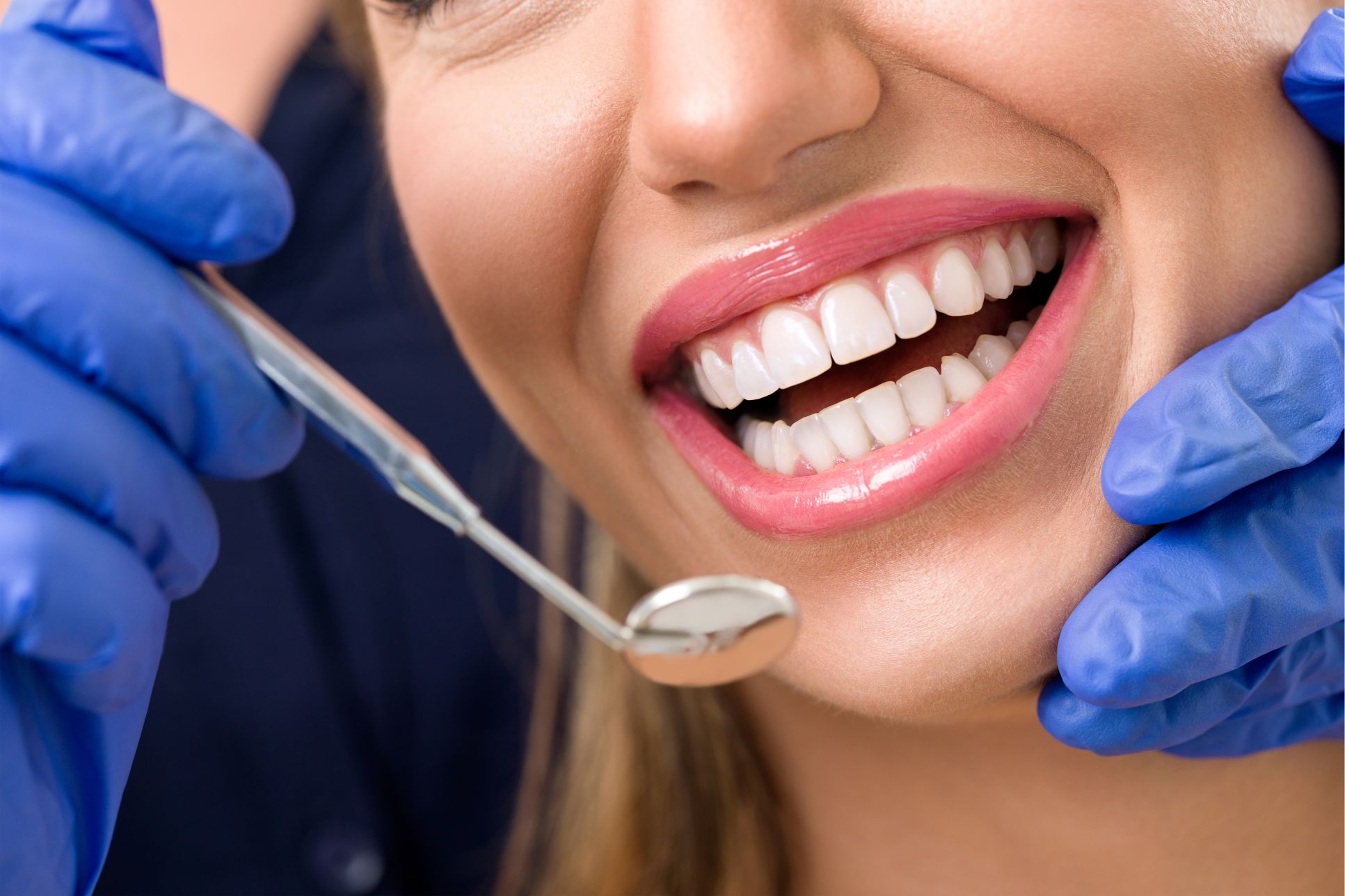
Aesthetics: why zirconia looks more natural
A natural tooth is slightly translucent — light passes into the enamel and reflects back, giving teeth their characteristic depth. Zirconia mimics this behaviour well, especially multilayer and porcelain-layered zirconia, which is why it is the standard choice for front teeth and smile makeovers. A PFM crown, by contrast, is built on a metal substructure that blocks light completely. The porcelain on top can be shade-matched skilfully, but the crown tends to look flatter and more opaque, particularly under bright or direct light.
The second aesthetic issue appears over time. Gums naturally recede a little as the years pass, and with a PFM crown the metal margin hiding below the gum line gradually becomes visible as a thin grey or dark line. Zirconia crowns are the same tooth-coloured material all the way through, so even significant gum recession never exposes anything dark. If you are comparing options for visible teeth, our detailed guide to zirconium dental crowns covers the material in depth.
Biocompatibility and metal allergies
Zirconia is a metal-free ceramic (zirconium dioxide) and is considered one of the most biocompatible materials in dentistry. It does not corrode, does not release metal ions and is extremely rare as an allergen. Gum tissue typically responds to well-fitted zirconia margins with less irritation and inflammation than to metal-based restorations.
PFM crowns most commonly use nickel-chromium or cobalt-chromium alloys. Nickel allergy in particular is not exotic — it affects a meaningful share of the population, more often women — and can show up as chronic gum redness or discomfort around the crown. Patients with a known nickel sensitivity, or a history of reacting to jewellery, should choose zirconia or ask specifically for a high-noble alloy PFM, which costs more and narrows the price advantage.
Strength and longevity: closer than you might think
PFM built its reputation on durability, and it remains a genuinely strong restoration. But modern monolithic zirconia has changed the equation: with flexural strength typically between 900 and 1,200 MPa, it is one of the strongest materials available in restorative dentistry and handles heavy chewing forces and even moderate grinding well. One practical advantage of PFM to be fair about: its porcelain veneer layer can chip, and the same is true of porcelain-layered zirconia — monolithic zirconia avoids this weak point entirely.
On lifespan, well-made crowns of either type routinely reach 10–15+ years. Studies show broadly comparable survival rates; what determines longevity in practice is the precision of the fit, your oral hygiene, and regular check-ups rather than the material alone. Tooth preparation is also similar for both, with zirconia sometimes allowing slightly more conservative reduction. If you are weighing zirconia against other all-ceramic options, see our comparison of zirconium vs E-max crowns.
When is a metal-ceramic crown still a reasonable choice?
PFM is far from obsolete. It remains a sensible option for back molars that sit completely outside the smile line, where the aesthetic differences are invisible and its long clinical track record counts. It is also the pragmatic answer when the budget is genuinely tight and the alternative would be delaying treatment altogether — a functional PFM crown today is better than a decayed tooth waiting for a zirconia crown next year.
Where PFM is hard to recommend is on front teeth, on patients with thin or receding gums, and in full-mouth cases where a uniform, natural appearance across all teeth matters. It is also worth knowing when a crown is even necessary: for minor cosmetic corrections, a veneer may preserve more healthy tooth — our guide to veneers vs crowns explains the difference.
Not sure which crown fits your case?
Send us a photo of your teeth and get an honest recommendation from our dentists — free, with no obligation.
💬 Get a Free Crown Consultation
Zirconia vs metal ceramic crowns: price in Turkey vs UK and US
In Turkey, a zirconia crown typically costs €150–€250 and a PFM crown €100–€180 per tooth at an accredited clinic. In the UK, the same zirconia crown runs £500–£1,000+ and a PFM crown £400–£800; in the US, expect roughly $1,000–$2,500 for zirconia and $800–$1,500 for PFM. The gap is not a quality shortcut — it reflects lower laboratory and staffing costs in Turkey, high patient volumes, and clinics that mill crowns in-house using the same CAD/CAM systems and material brands used in Western Europe.
Because the price difference between zirconia vs metal ceramic crowns shrinks dramatically in Turkey — often €50–€100 per tooth instead of several hundred — most international patients simply choose zirconia and remove the compromise from the equation. A full breakdown of package pricing is in our guide to dental crown costs in Turkey.
Full-mouth cases: why zirconia is usually the answer
When 16–28 teeth are being restored at once, consistency becomes the deciding factor. Mixing materials risks visible differences in shade and translucency between neighbouring teeth, and any future gum recession would expose grey margins across the whole arch. That is why full mouth reconstruction cases are planned almost exclusively in zirconia: one material, one optical behaviour, one uniform result.
At EsteGo Clinic in Istanbul (Mecidiyeköy, Şişli), our team has restored smiles for more than 40,000 patients from 47+ countries over 15+ years. Treatment packages include VIP airport transfer, hotel accommodation, medication and a 12-month follow-up, so the decision between materials is made with a dentist face to face — not from a price list alone.
Key Takeaways
In the zirconia vs metal ceramic crowns comparison, zirconia wins on aesthetics and biocompatibility, while metal-ceramic remains the budget-friendly workhorse. For visible front teeth, the zirconia vs metal ceramic crowns question usually favors zirconia thanks to its natural translucency. Our dentists assess your bite and budget before recommending a side in the zirconia vs metal ceramic crowns debate. Longevity is similar with good oral hygiene, so the zirconia vs metal ceramic crowns choice often comes down to appearance. Metal-free restorations avoid grey gum lines, a key point in any zirconia vs metal ceramic crowns discussion.
For independent patient information on crowns and oral health, visit the American Dental Association patient resources.
Frequently Asked Questions
Get your free dental assessment
Send photos for a personalised plan and quote — no obligation.
Get a Free Hair Analysis
Talk to our specialist for personalized planning and pricing.