
Gum Recession Treatment: Options, Cost & Results
Clear, honest guidance on stopping gum recession, covering exposed roots and knowing when to act.
The honest answer first: gum recession does not grow back on its own, but the right gum recession treatment can stop it getting worse and, in many cases, cover exposed tooth roots again. If you have noticed your teeth looking longer or a small notch near the gum line, acting early gives you the widest choice of options and the best results.
Gum recession happens when the gum tissue around a tooth pulls back, exposing more of the tooth or its root. It is common, usually slow, and easy to ignore until sensitivity or a visible gap appears. Understanding what is driving it is the first step, because any plan that ignores the cause rarely lasts. At EsteGo Clinic in Istanbul we assess the whole mouth before recommending anything, so the plan fits your gums rather than a one-size template.
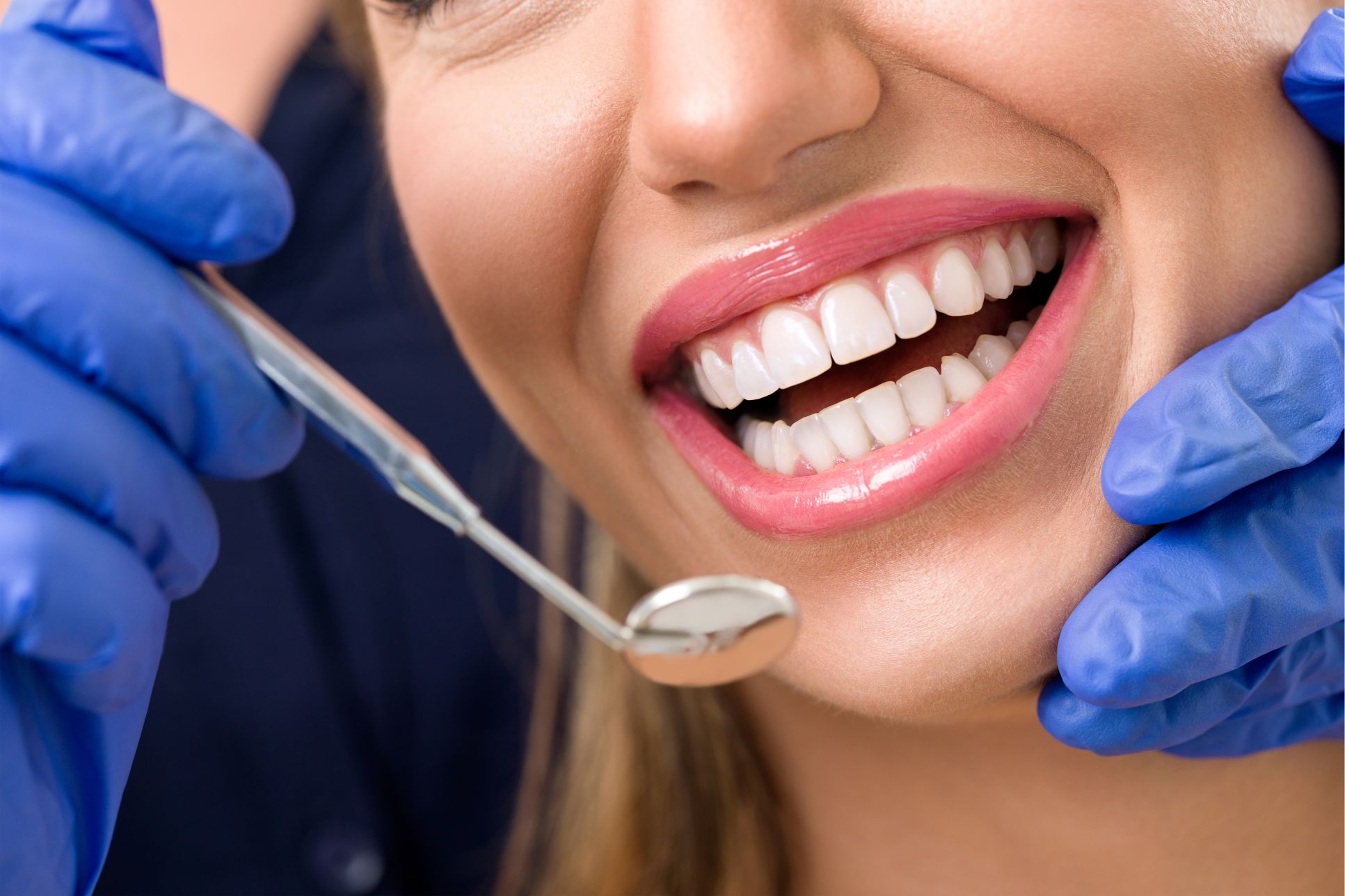
What causes gums to recede
Several everyday habits and conditions pull the gums back over time. Aggressive brushing with a hard brush is one of the most common triggers, because scrubbing slowly wears away both enamel and delicate gum tissue. Gum disease is another major driver: when plaque and tartar build up below the gum line, the body’s inflammatory response breaks down the tissue and bone that hold the gums in place.
Grinding or clenching, known as bruxism, places uneven pressure on teeth and can push gums back, while genetics leave some people with naturally thin gum tissue that recedes more easily. Smoking, poorly fitting fillings, lip or tongue piercings and past orthodontic movement can all contribute. Because the triggers differ from person to person, a careful look at your receding gums matters far more than any single quick fix.
Non-surgical gum recession treatment first
When the recession is mild to moderate, dentists almost always begin with conservative, non-surgical care. Correcting brushing technique comes first: a soft brush, gentle circular strokes and no sawing motion protect the tissue that remains. A professional dental cleaning and scaling then removes the hardened tartar that keeps the gums inflamed and receding.
If active gum disease is present, treating it is essential, because you cannot rebuild on infected foundations. Desensitising agents or fluoride varnish calm exposed roots, and a custom night guard protects teeth from grinding. These steps do not regrow lost gum, but they reliably stop the recession from advancing, which is often the single most important goal.
Not sure how far your recession has gone?
Send us a photo and a few details for a free, honest opinion from our dental team in Istanbul.💬 Ask a dentist on WhatsApp
Surgical gum recession treatment for root coverage
When roots are already exposed and sensitivity or appearance is a concern, surgical gum recession treatment can physically cover them again. The classic approach is a gum graft, where a small piece of tissue is moved to the receded area. A connective tissue graft takes tissue from just beneath the surface of the palate and tucks it under the gum, which tends to give a natural and durable result.
A newer, less invasive option is the pinhole technique, where the dentist loosens the existing gum through a tiny opening and gently guides it down over the root, with no cutting or stitches for many patients. The right choice depends on how much tissue is left, how many teeth are involved and the quality of your gums. Our surgeons talk you through the trade-offs before anything is decided.
How recession links to sensitivity and black triangles
Exposed roots have no protective enamel, so hot, cold and sweet foods can trigger sharp tooth sensitivity. Covering or sealing the root usually calms this quickly. Recession between teeth can also open small dark gaps known as black triangles, which are cosmetic but bother many people.
Because these problems share a root cause, treating the recession often improves several symptoms at once. That is why we look at your whole smile rather than one tooth in isolation, and why an early plan is usually simpler, gentler and cheaper than waiting until more tissue is lost.
Timeline, results and cost in Turkey
Non-surgical care shows benefits within weeks: less bleeding, calmer gums and reduced sensitivity. Grafts heal over two to three weeks on the surface, with the tissue fully maturing over a few months. Realistic results include stable gums, meaningful root coverage in suitable cases and a healthier gum line, though outcomes vary with tissue type and how well you follow aftercare.
Cost is where Turkey stands out. A single gum graft in the UK often runs from £600 to £1,200 per site, and in the US from $600 to $1,500, while comparable gum recession treatment in Turkey typically costs from around €250 to €450 per site at reputable clinics. For general guidance on caring for your gums, the American Dental Association patient resources are a reliable, independent reference. EsteGo Clinic brings 15+ years of experience and has treated more than 40,000 patients from 47+ countries at our Mecidiyeköy location in Şişli, Istanbul.
Frequently Asked Questions
Get your free dental assessment
Send photos for a personalised plan and quote — no obligation.
Get a Free Hair Analysis
Talk to our specialist for personalized planning and pricing.