
Crowns for Front Teeth: Natural Aesthetics & Options
A natural-looking cap that rebuilds a damaged or discoloured front tooth in just 5–7 days.
Crowns for front teeth restore a badly damaged, discoloured, root-canal-treated or heavily filled tooth with a full-coverage cap that looks and feels completely natural. Unlike a filling that only patches part of the tooth, a crown wraps the whole visible surface, so it protects what remains while matching the shape and shade of the teeth beside it.
The front of the mouth is the most demanding place in dentistry to get right. Every millimetre is on show when you smile or speak, so crowns for front teeth have to reproduce the translucency of natural enamel, sit invisibly at the gum line and colour-match neighbouring teeth exactly. This guide gives you the direct answers: when you actually need one, which materials look best, how a crown compares with a veneer, and what the treatment realistically costs.
When do you need crowns for front teeth?
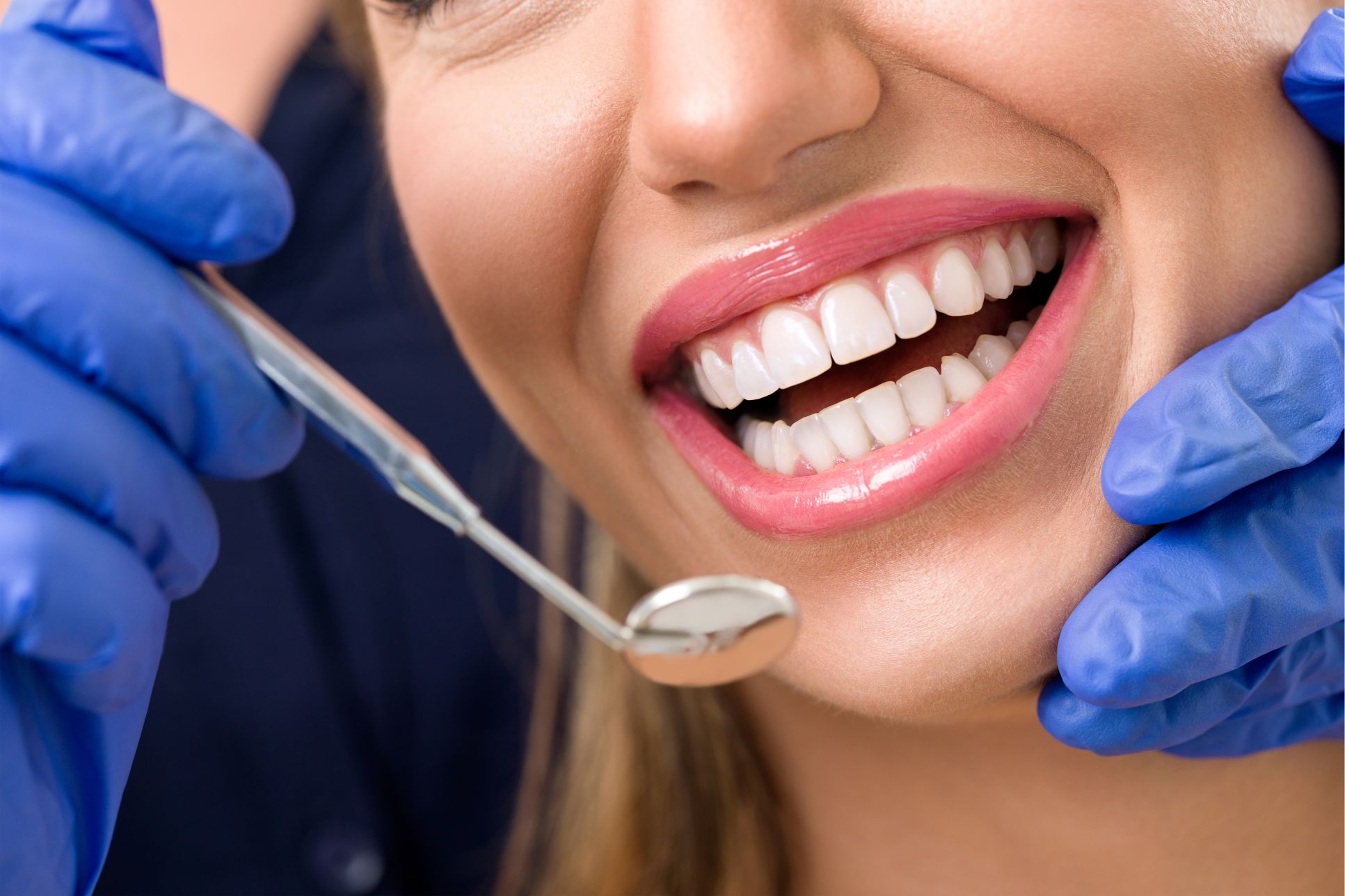
A dentist recommends crowns for front teeth when a tooth is too weak or too damaged for a simple filling or a thin veneer. Typical cases include a tooth that has had root canal treatment and become brittle, a large old filling that keeps breaking away, a fracture or chip that reaches below the biting edge, or deep internal discolouration that whitening cannot lift.
The deciding question is how much healthy tooth structure is left. If most of the natural tooth is intact and only the front surface needs improving, a veneer may be the more conservative choice. If the tooth is structurally compromised, a full crown gives the strength and all-round protection that a veneer simply cannot.
Best materials for crowns for front teeth
Material choice matters more in the aesthetic zone than anywhere else in the mouth. For a single front tooth, all-ceramic E-max (lithium disilicate) is often the first choice because it is highly translucent and mimics natural enamel beautifully. For patients who grind their teeth or need extra strength across several units, zirconium crowns offer outstanding durability with layered ceramic on top for a lifelike finish.
Older metal-ceramic (PFM) crowns are best avoided on visible teeth. They rely on a metal core that blocks light, so the crown can look flat and opaque, and as the gum naturally recedes over the years a thin grey line can appear at the margin. If you are weighing your options, our guide to zirconium versus E-max explains which suits different cases. Getting the material right is what separates natural crowns for front teeth from cheap, bulky work.
Not sure which crown is right for your smile?
Send us a clear photo and our dentists will tell you honestly whether a crown or a veneer fits your front teeth. 💬 Get a free assessment
Crown or veneer for a front tooth?
The difference comes down to how much tooth is removed and why. A veneer is a thin shell bonded to the front of a mostly intact tooth, so it preserves more natural structure and is ideal for cosmetic changes to shape or shade. A crown covers the whole tooth and is the right call when the tooth is weak, broken or root-treated. Reliable, independent information from the American Dental Association patient resources at MouthHealthy is a sensible place to read up before any treatment decision.
For a tooth that is already missing, neither option applies on its own — you would need a front tooth implant with a crown attached to it. An honest dentist always suggests the most conservative solution that fixes the problem, rather than crowning a tooth that only needed a veneer.
The process and timeline in Istanbul
At EsteGo Clinic in Mecidiyeköy, Şişli, treatment is planned so it fits into a single short trip. On your first visit the dentist examines the tooth, takes digital scans and agrees the exact shade and shape with you. The tooth is then prepared conservatively, a temporary crown is fitted, and the laboratory hand-builds your permanent crown to match the neighbouring teeth.
Most patients complete their crowns for front teeth in 5–7 days, including a try-in appointment to check colour and fit in natural daylight before the crown is finally bonded. With more than 15 years of experience and over 40,000 patients from 47+ countries, our team is focused on getting the aesthetic zone right the first time — not on rushing you through.
How much do front-tooth crowns cost in Turkey?
Cost is one of the main reasons patients travel. In the UK a single quality all-ceramic crown often costs £700–£1,200, and in the US roughly $1,000–$2,500, while in Turkey the same work is typically priced in euros at a fraction of that figure. You can see up-to-date pricing in our dental crowns cost in Turkey guide.
A lower price does not have to mean lower quality. The saving comes from lower running costs in Turkey, not from cutting corners on materials — the same E-max and zirconium brands used across Europe are used here. What really matters is choosing a clinic that plans crowns for front teeth around your own natural smile rather than fitting a one-size-fits-all shade.
Frequently Asked Questions
Get your free dental assessment
Send photos for a personalised plan and quote — no obligation.
Get a Free Hair Analysis
Talk to our specialist for personalized planning and pricing.