
Failed Dental Implant: Signs
How to recognise and fix a failing implant.
Implant failure is rare but recognisable — pain, looseness, swelling or gum recession around the implant.
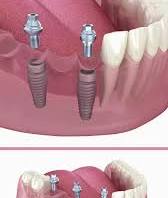
Causes & Fixes
Poor osseointegration, infection or overload. Treatment may involve removal and replacement. See implants.
Prevention
Good hygiene, not smoking and an experienced surgeon reduce risk.
Early Failure and Late Failure Look Different
Early failure occurs before or shortly after integration, within the first 3–6 months: the implant never bonds. Causes include infection, insufficient primary stability, bone overheating during drilling, smoking and premature loading.
Late failure occurs years later in an implant that integrated successfully, almost always through peri-implantitis — inflammatory bone loss driven by plaque — or mechanical overload from bruxism or an ill-fitting prosthesis.
The Signs You Must Not Ignore
Mobility. An integrated implant does not move, at all. Any perceptible movement of the fixture is failure until proven otherwise. (A loose crown or abutment screw can feel similar and is usually repairable — have it checked rather than guessing.)
Pain returning after a pain-free period. Healing pain declines. Pain that reappears at month three is a signal.
Pus, persistent bad taste, or a sinus tract on the gum. Infection.
Gum recession exposing implant threads, bleeding on brushing around the implant, or deepening pockets. These are the classic peri-implantitis findings.
What Is Not Necessarily Failure
Mild bleeding on brushing in the first weeks; a chipped ceramic crown; a loose crown that unscrews; slight recession without bleeding or bone loss. These are common, and mostly repairable without touching the fixture.
The distinction matters because a healthy implant with a failing crown is a prosthetic problem, not a surgical one — and far cheaper. Get a radiograph rather than an opinion.
What Happens Next
Peri-implantitis caught early is treated by decontaminating the surface, correcting the prosthesis and, in some cases, regenerative grafting. Advanced bone loss usually requires removal of the implant, healing of the site, often bone grafting, and re-implantation after several months.
Prevention is unglamorous and effective: no smoking, six-monthly professional cleaning, daily interdental cleaning, a night guard if you grind, and treatment of gum disease on the remaining teeth. See success rates and aftercare.
This page provides general information and does not replace professional dental advice. Follow the specific instructions given by your treating dentist.
Frequently Asked Questions
Get your free dental assessment
Send photos for a personalised plan and quote — no obligation.
Get a Free Hair Analysis
Talk to our specialist for personalized planning and pricing.