
Veneer Problems: What Goes Wrong & How to Avoid It
An honest look at why veneers fail — and how good planning prevents almost every issue.
Veneers can transform a smile, but they are not risk-free — and most veneer problems trace back to how the treatment was planned and placed, not to the veneers themselves.
At EsteGo Clinic in Istanbul we have restored more than 40,000 patients from over 47 countries in 15+ years, and we see the same recurring issues again and again: sensitivity, dark gum lines, bulky shapes and veneers that come loose. Below is a direct, honest rundown of what actually goes wrong, why it happens, and how to protect yourself before you commit.
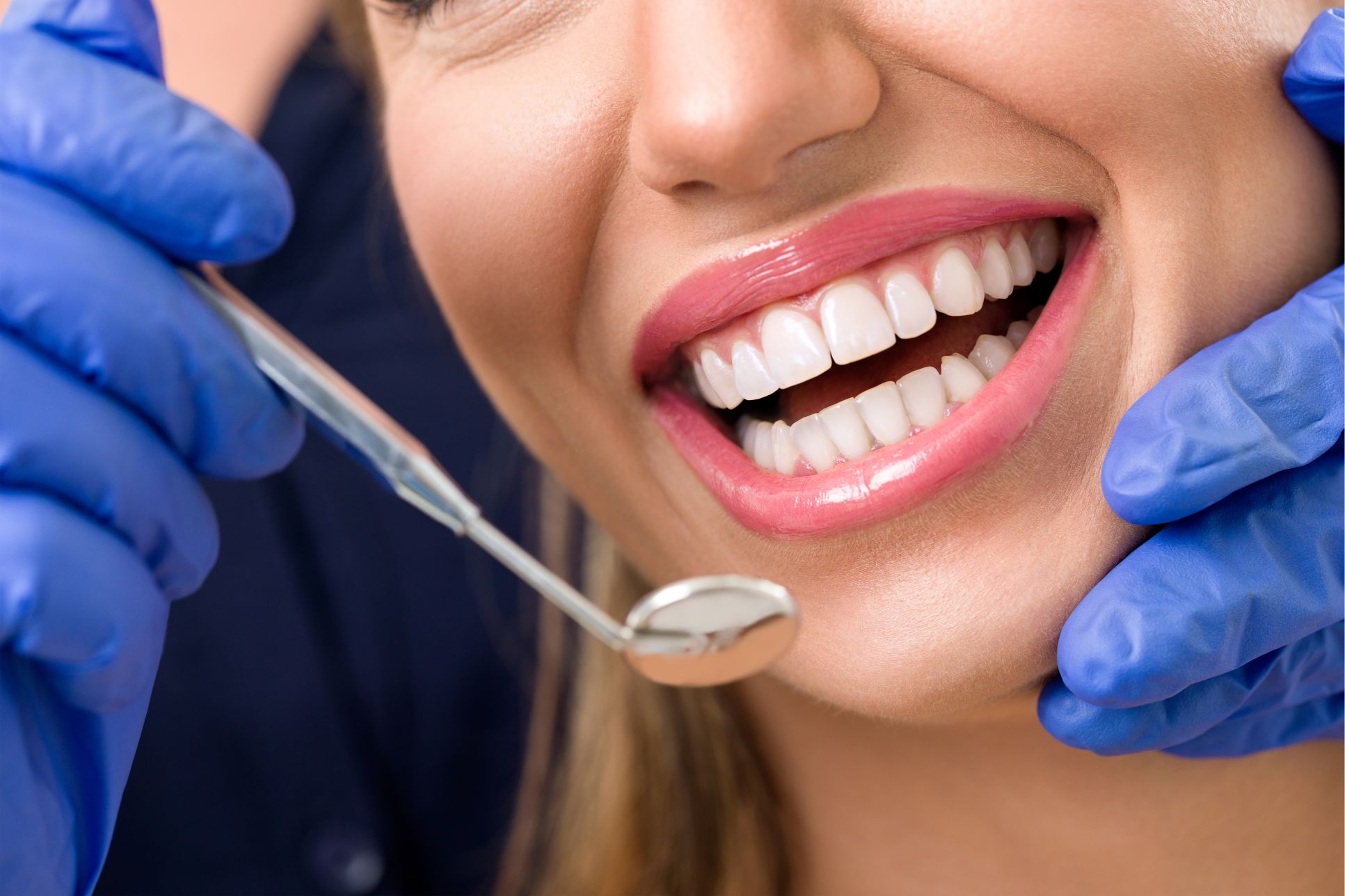
The Most Common Veneer Problems
Some issues are cosmetic, others are structural, but patients tend to report the same short list. Recognising them early makes it far easier to prevent or correct them.
Sensitivity after preparation. When enamel is shaped, teeth can feel sharp twinges with hot or cold food. Mild sensitivity for a week or two is normal; lasting pain is not.
Dark margins and a grey line at the gum. A visible shadow where the veneer meets the gum usually points to a metal-based crown, receding gums or a poorly finished edge.
A bulky or “too big” look. Over-contoured veneers feel thick and unnatural. This is the classic complaint after rushed work abroad.
Black triangles. Small dark gaps near the gum appear when the tooth shape and contact points are not designed correctly.
Debonding, chipping and colour mismatch. Veneers that fall off, chip at the edges or fail to blend with neighbouring teeth are among the most frustrating outcomes — and almost always avoidable.
Why Veneer Problems Happen
Here is the honest truth: veneers are a proven, conservative treatment. The root cause of most failures is rushed planning, cheap materials and inexperienced hands — not the concept of a veneer.
Bargain “smile in a week” packages often skip the diagnostic stage entirely. Teeth are over-prepped with aggressive shaping to force a quick fit, low-grade materials are used to keep costs down, and the bite is never properly checked. When that happens, even a good-looking result can fail within months. Patient guides such as the American Dental Association patient resources stress that careful diagnosis and material choice matter far more than speed or price.
If you are worried that shaping enamel is inherently damaging, our detailed explainer on whether veneers ruin your teeth walks through exactly how much tooth structure a responsible dentist removes.
How to Avoid Veneer Problems
Almost every issue on this page is preventable with proper protocol. Before you book anywhere, look for these safeguards.
Digital smile design and a try-in. You should see and approve a preview — a mock-up or temporary set — before anything permanent is bonded. If a clinic refuses a try-in, walk away.
Minimal-prep where possible. A skilled dentist removes as little enamel as the case allows, sometimes almost none. Learn more about longevity in our guide to whether veneers are permanent.
Quality e-max or zirconia. Premium ceramics resist chipping and staining and reflect light like natural enamel. If you are unsure which restoration you actually need, compare veneers versus crowns.
An experienced dentist and a proper bite check. Contacts, margins and how your teeth meet must all be verified. This single step prevents most debonding, chipping and gum irritation.
Not sure if your veneers were done right?
Send us a photo and get an honest second opinion — no pressure, no sales script.💬 Get a Free Assessment
Fixing and Replacing Problem Veneers
Most veneer problems can be corrected, though the fix depends on the cause. A loose or debonded veneer that is otherwise intact can sometimes simply be re-bonded. Bulky or mismatched veneers usually need to be removed and remade with a better shape, shade and material. Dark gum lines from old metal crowns are resolved by switching to all-ceramic restorations.
At EsteGo Clinic in Mecidiyeköy, Şişli we regularly redo work that was started elsewhere. We assess the underlying teeth and gums first, treat any decay or inflammation, and only then plan the new smile. If you are specifically researching results from abroad, our honest look at the truth about Turkey teeth is worth reading before you decide.
Realistic Expectations and Cost
Good veneers should look natural, feel comfortable and last for years — but they are still a dental restoration, not a permanent fixture that never needs care. With solid materials and a proper bite, a set of veneers can last a decade or more with normal maintenance.
Cost is where many patients get caught. In the UK a single veneer often runs £500–£1,000, and in the US $900–$2,500 per tooth. In Turkey the same premium e-max or zirconia veneer typically costs a fraction of that, which is why so many travel to Istanbul. The danger is chasing the very cheapest quote — that is exactly where corner-cutting and future issues begin. For a full breakdown of options and pricing, see our guide to veneers in Turkey.
Frequently Asked Questions
Get your free dental assessment
Send photos for a personalised plan and quote — no obligation.
Get a Free Hair Analysis
Talk to our specialist for personalized planning and pricing.