
Dental Implant vs Bridge
Two ways to replace a missing tooth compared.
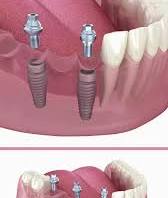
An implant replaces the root and tooth independently; a bridge relies on neighbouring teeth.
Verdict
Implants are usually the better long-term choice.
The Cost the Bridge Hides
A bridge replaces a missing tooth by anchoring a false tooth to the neighbours. To do that, those two healthy teeth must be ground down for crowns — around 1.5–2 mm all round. If they were untouched, that is a permanent loss of healthy tooth structure to solve a problem elsewhere.
An implant leaves the neighbours alone entirely. That single fact is why implants are the default where bone and health permit. See dental implants.
What Happens to the Bone
A tooth root stimulates the jawbone. Remove it and the bone beneath resorbs. Under a bridge nothing loads that bone, so it continues to shrink — over years this shows as a dark shadow under the false tooth and a receding gum line.
An implant transmits chewing force into bone and largely preserves it. This is not cosmetic detail: it determines what treatment remains possible in fifteen years. If bone has already been lost, grafting may be needed first.
Longevity, Side by Side
| Implant | Bridge | |
|---|---|---|
| Neighbouring teeth | Untouched | Reduced 1.5–2 mm |
| Bone under the gap | Preserved | Continues to resorb |
| Typical lifespan | 20+ years | 10–15 years |
| Treatment time | 3–6 months, two trips | 1–2 weeks, one trip |
| If it fails | Implant site rebuilt | Often two teeth now compromised |
When a Bridge Is Still the Better Choice
It is not always the wrong answer. A bridge makes sense when the adjacent teeth already need crowns (large fillings, root-treated, fractured); when bone volume is insufficient and the patient declines grafting; when general health or medication contraindicates surgery; when time is genuinely limited to one trip; or when cost is decisive.
Grinding healthy teeth purely to avoid surgery is a trade you should make with your eyes open — see how long treatment takes.
The Question to Ask Your Dentist
“Do the teeth either side of the gap already need crowns?” If yes, a bridge costs you little extra structure. If no, you are sacrificing two healthy teeth to replace one.
Ask also about bone volume on the CT scan, and what the plan is if the bridge fails in twelve years. See solutions for missing teeth and implant success rates.
This page provides general information and does not replace professional dental advice. Always consult a qualified dentist about your individual case.
Frequently Asked Questions
Get your free dental assessment
Send photos for a personalised plan and quote — no obligation.
Get a Free Hair Analysis
Talk to our specialist for personalized planning and pricing.