
Composite vs Porcelain Veneers
Cost, durability and looks compared.
Porcelain veneers last longer and look more natural; composite is cheaper and faster.
Verdict
Porcelain for longevity; composite for budget.
How Each One Is Made
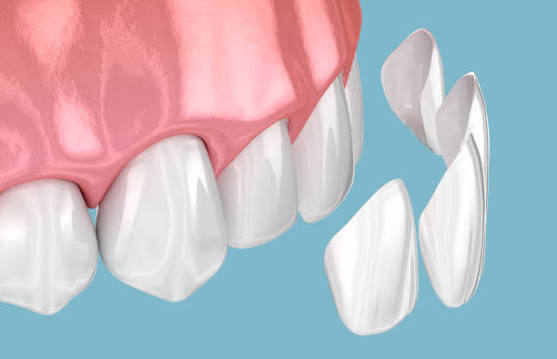
Composite veneers are sculpted directly onto the tooth in a single appointment, layer by layer, and cured with light. Porcelain (E-max) veneers are made in a dental laboratory from an impression or digital scan, then bonded at a second visit.
That difference explains almost everything that follows: chair time, precision, strength, stain resistance and price.
Longevity: The Decisive Difference
| Composite | Porcelain (E-max) | |
|---|---|---|
| Typical lifespan | 5–7 years | 10–15 years |
| Survival at 10 years | ~70–80% | ~95% |
| Stain resistance | Lower — absorbs pigment | High — glazed ceramic |
| Repairable in the mouth | Yes | Usually replaced |
| Appointments | One | Two |
Which Suits Whom
Composite suits younger patients, small corrections, tight budgets, and anyone who wants a reversible, repairable option first. It stains over time — coffee, tea, red wine and tobacco all show.
Porcelain suits patients wanting long-term stability and colour that does not shift, especially across multiple front teeth where uniformity matters. It costs more up front and less per year of service. See E-max veneers and veneers overview.
A Note on Bonding
Both bond best to enamel. If a tooth has already lost much enamel, adhesion is weaker and a crown may be the sounder choice. Simple chips can often be handled with dental bonding, which is the same composite material used more sparingly.
This page provides general information and does not replace professional dental advice. Always consult a qualified dentist about your individual case.
Frequently Asked Questions
Get your free dental assessment
Send photos for a personalised plan and quote — no obligation.
Get a Free Hair Analysis
Talk to our specialist for personalized planning and pricing.