Calf and Pectoral Implants: Muscle Definition Surgery
Solid silicone shape and definition where training alone falls short.
Calf and pectoral implants add lasting shape and definition to the lower legs and chest where exercise alone cannot, using solid silicone implants placed through small, hidden incisions.
At EsteGo Clinic in Istanbul, calf and pectoral implants are chosen by men and women who train hard but still have naturally thin calves, a flat chest, or noticeable muscle asymmetry. With more than 15 years of experience and over 40,000 patients from 47+ countries, our surgeons treat body contouring as careful, individualised surgery rather than a shortcut. This guide covers how the implants work, who they suit, the procedure, recovery, safety, alternatives and how the cost compares with the UK and US.
What Are Calf and Pectoral Implants?
Calf and pectoral implants are soft, solid silicone forms shaped to mimic natural muscle. Unlike breast implants they are not filled with gel or saline, so the solid material cannot leak and holds a stable shape for the long term.
Pectoral implants sit beneath the chest muscle to build fullness and projection across the upper body, while calf implants are positioned along the inner (and sometimes outer) calf to balance and strengthen the lower-leg silhouette. You can explore related procedures on our body aesthetics in Turkey page.
Who Are Calf and Pectoral Implants For?
The best candidates want a defined shape that training has never delivered. Common reasons include naturally slim calves that simply will not grow, a flat or uneven chest in men, congenital differences such as Poland syndrome, and reconstructive cases after injury or nerve problems that leave one side smaller.
They are also popular with people who have long-standing muscle asymmetry. If your main concern is excess breast tissue rather than a flat chest, gynecomastia surgery may suit you better — an honest consultation will make clear which procedure actually fits your body and goals.
The Procedure and Incisions
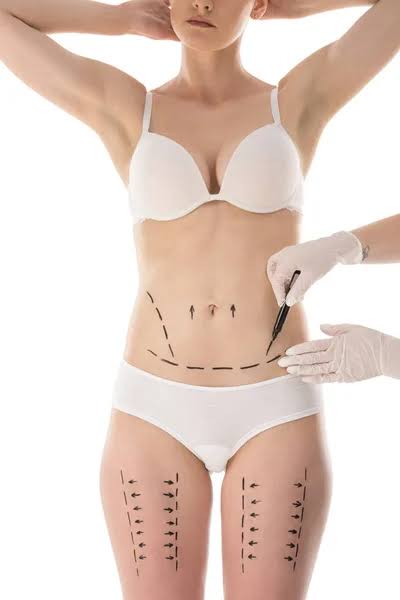
Both operations are carried out under general anaesthetic. For the chest, the surgeon works through a small incision hidden in the armpit and places the implant beneath or above the chest muscle. For the calves, a short incision is made in the natural crease behind the knee, and the implant is slid into a pocket along the muscle.
Because the incisions are small and well concealed, visible scarring is usually minimal once everything has healed. Each implant is sized and positioned to match your frame, which is where an experienced surgeon makes the biggest difference.
Wondering if implants suit your body?
Send us a photo and our surgical team will give you an honest, realistic assessment.💬 Ask on WhatsApp
Recovery and Results
Recovery asks for patience. Expect swelling, bruising and tightness for the first one to two weeks. Chest implants usually allow a return to desk work within a week, while calf implants need more time off your feet because walking is uncomfortable at first and the legs must be elevated.
Strenuous training, heavy lifting and lower-body exercise are restricted for around four to six weeks so the implants settle securely in place. Once fully healed, the result looks and feels natural, moves with your body and is designed to last for many years.
Safety and Why Surgeon Experience Matters
Calf and pectoral implants are considered safe when performed by an experienced surgeon, but like any operation they carry risks such as infection, fluid collection, implant shifting, or asymmetry that occasionally needs a minor revision.
Careful pocket creation and accurate implant sizing are what separate a natural result from an obvious one, which is why surgeon experience matters so much. Organisations such as the American Society of Plastic Surgeons stress choosing a qualified, board-certified surgeon working in a properly equipped facility.
Alternatives to Consider
Implants are not the only route. For the calves, fat transfer — moving your own purified fat into the lower leg — can add modest volume without an implant, although results depend on how much fat survives and it suits smaller changes. For the chest, focused strength training or fat transfer may be enough when goals are subtle.
A frank discussion helps you weigh permanence, recovery and the degree of change you want, ideally as part of a broader body aesthetics plan.
How Much Do Calf and Pectoral Implants Cost?
In Turkey, calf and pectoral implants typically range from about €2,500 to €4,500, depending on whether one or both areas are treated, the implants chosen and the surgical team. In the UK, similar surgery often costs £6,000–£10,000, while in the US $8,000–$15,000 is common.
Lower prices in Istanbul reflect local running costs, not compromised care. EsteGo Clinic in Mecidiyeköy, Şişli pairs experienced surgeons with modern facilities, which is why many international patients travel here. See the wider list of procedures on our cosmetic surgery overview.
Frequently Asked Questions
Get your free dental assessment
Send photos for a personalised plan and quote — no obligation.
Get a Free Hair Analysis
Talk to our specialist for personalized planning and pricing.