
Can Veneers Fix Crooked Teeth? Limits & Alternatives
An honest look at when veneers can straighten your smile in a week — and when braces are the better first step.
Yes — veneers for crooked teeth can work, but only within limits. Veneers can visually correct mild to moderate crowding, small rotations and gaps in about a week, which is why dentists call this approach “instant orthodontics”. What veneers cannot do is move teeth: they mask misalignment with thin porcelain or composite shells, while the roots stay exactly where they were.
That distinction matters more than any before-and-after photo. A well-planned veneer case on mildly crooked teeth looks natural and lasts 10-15 years or longer. A poorly planned one — where severely rotated teeth are ground down to force straight shells over them — sacrifices healthy enamel and can create problems that orthodontics would have solved without any drilling. This guide explains where the honest line runs.
How veneers “straighten” teeth without moving them
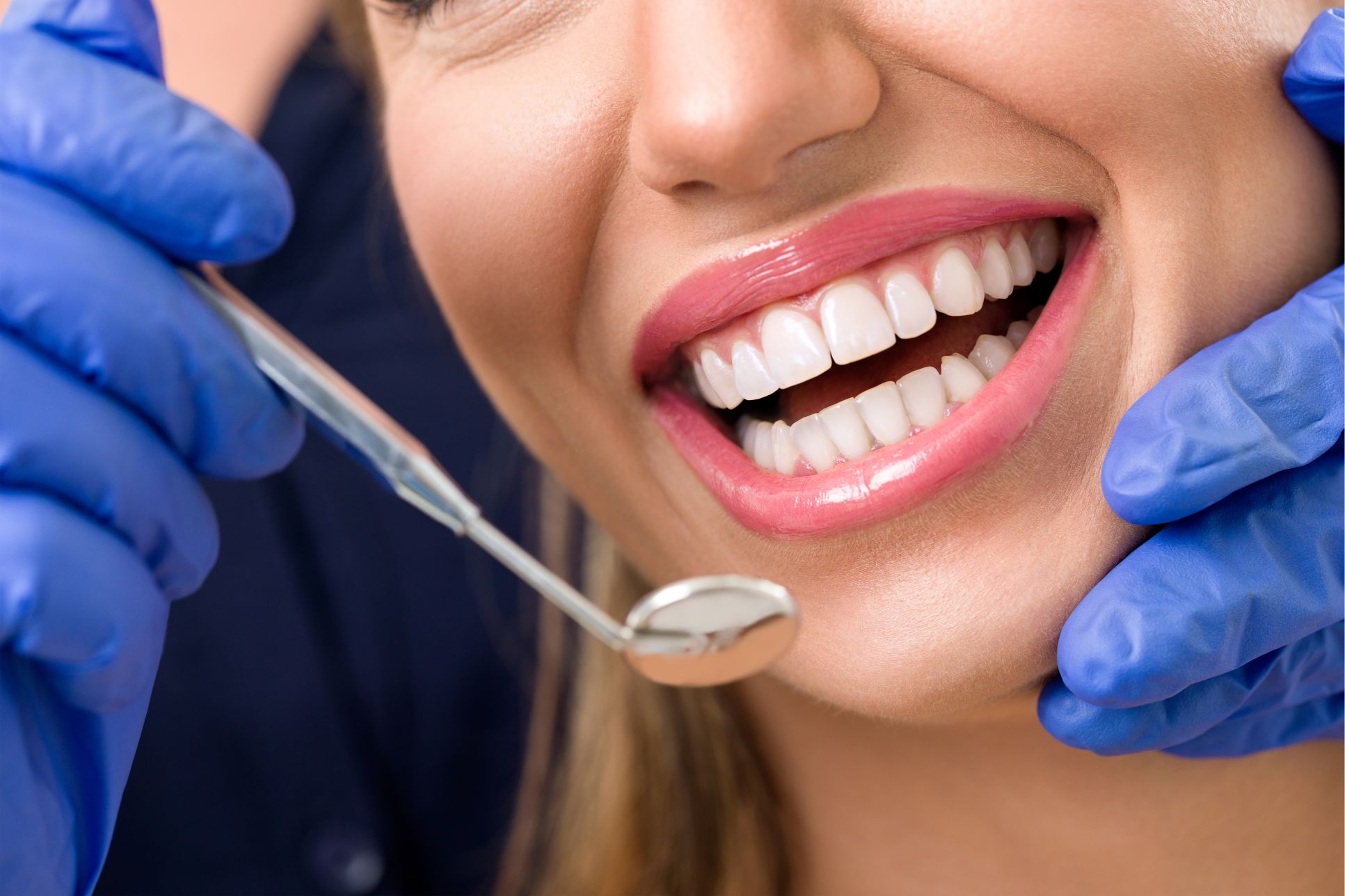
A veneer is a shell of porcelain or composite, usually 0.3-0.7 mm thick, bonded to the front surface of a tooth. To make a crooked row look straight, the dentist reduces the parts of each tooth that stick out and builds up the parts that sit back, so the finished shells form one even line. The result is an optical correction: alignment, colour and shape change together in a single treatment.
This is why veneers for crooked teeth are often chosen by patients who want more than straightening. If your teeth are mildly crowded and also discoloured, worn, chipped or slightly too small, veneers solve all of it in one 5-7 day visit — something braces alone can never do. You can read how the full process works in our guide to veneers in Turkey.
When veneers are the right choice
Veneers are a sensible option for crooked teeth when the misalignment is cosmetic rather than functional. Typical suitable cases include: mild crowding of the front teeth, single rotated incisors up to roughly 15-20 degrees, small gaps (diastemas), slightly tilted or uneven-length teeth, and smiles where colour and shape bother you as much as the alignment itself.
Speed is the other honest argument. Orthodontic treatment takes 6-24 months; veneers take about a week. For adults who have lived with mildly crooked, stained or worn front teeth for decades and want one definitive result, combining alignment, whitening and reshaping in a single smile design treatment is often the more practical route — provided a dentist confirms the bite is healthy first.
When orthodontics first is the honest advice
Some crooked-teeth cases should not be treated with veneers alone, and a trustworthy clinic will say so. Severe crowding, rotations beyond about 20 degrees, crossbite, deep bite or open bite, protruding front teeth and jaw-position problems all need orthodontic treatment. Forcing veneers onto such teeth means removing large amounts of healthy tooth structure — sometimes so much that the teeth need crowns or root canal treatment instead.
The professional sequence for these cases is: align the teeth first with braces or clear aligners, then — only if you still want a colour or shape change — place minimally invasive veneers on well-positioned teeth. Our comparison of braces vs clear aligners explains which straightening method suits which case. Many patients who complete orthodontics first end up needing thinner veneers, or none at all.
Enamel removal: the real risk with rotated teeth
On a well-aligned tooth, a porcelain veneer needs only about 0.3-0.5 mm of enamel reduction — often less. On a rotated or protruding tooth, the corner that sticks out must be reduced further so the veneer can sit in line with its neighbours. In moderate cases this may mean 1 mm or more on that corner, which is still acceptable if it stays within enamel.
The danger zone is aggressive grinding at bargain clinics that accept every case as a “veneer case”. When severely crooked teeth are cut down into pegs to force a straight result, the preparation goes deep into dentine, nerves can become inflamed, and what you receive are effectively crowns sold as veneers. This is the single biggest cause of the horror stories you read online. Our article “Do veneers ruin your teeth?” covers this in depth, and the difference between the two restorations is explained in veneers vs crowns. The rule is simple: if a dentist promises perfect alignment for any degree of crookedness without ever mentioning orthodontics, get a second opinion.
Not sure if your teeth are “veneer-suitable”?
Send us a few photos of your smile — our dentists will tell you honestly whether veneers, aligners or a combination fits your case, free of charge.
💬 Get a free photo assessment
Composite or porcelain for crooked teeth?
Both materials can camouflage mild misalignment, but they behave differently. Composite veneers are sculpted directly onto the tooth, usually with little or no drilling, cost less and are reversible — a good trial option for very mild crowding. Their limits: composite is thicker-looking in strongly rotated areas, stains over time and typically lasts 4-7 years.
Porcelain (especially e.max lithium disilicate) is the stronger choice for visibly crooked teeth. It can be made ultra-thin yet rigid, holds its colour and shape for 10-15+ years, and its layered translucency hides the underlying irregularity far more convincingly. Before anything is drilled, a digital smile design preview and a physical mock-up let you see and test-wear your straightened smile — if the preview cannot achieve a natural result, that itself is a sign orthodontics should come first.
What do veneers for crooked teeth cost?
In Turkey, porcelain veneers cost about €180-€350 per tooth, and a full smile makeover of 8-10 veneers typically comes to €1,800-€3,500 including digital smile design. In the UK the same porcelain veneers run £600-£1,000 per tooth, and in the US $1,000-$2,500 — so a full case abroad often costs less than three or four veneers at home. Crooked-teeth cases need experienced planning, which is exactly what makes an established clinic more important than the lowest price.
At EsteGo Clinic Istanbul (Mecidiyeköy, Şişli) we have treated 40,000+ patients from 47+ countries over 15+ years. Packages include VIP airport transfer, hotel accommodation, medication and 12-month follow-up — and if our assessment shows your case needs aligners first, we will tell you so before you book a flight.
Key Takeaways
Veneers for crooked teeth can mask mild misalignment in as little as two visits. Unlike braces, veneers for crooked teeth deliver an instant cosmetic result while also improving colour and shape. Our Istanbul team will confirm whether veneers for crooked teeth suit your bite before any treatment begins.
For evidence-based guidance on veneers and everyday oral health, we recommend the American Dental Association patient resources.
Frequently Asked Questions
Get your free dental assessment
Send photos for a personalised plan and quote — no obligation.
Get a Free Hair Analysis
Talk to our specialist for personalized planning and pricing.