Zygomatic Implants
An advanced solution for severe upper-jaw bone loss without major grafting.
Zygomatic implants anchor into the cheekbone (zygoma) to support fixed teeth when the upper jaw lacks bone for standard implants.
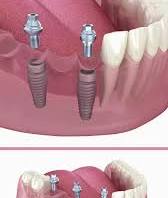
When Are They Used
For severe upper-jaw bone loss, they can avoid extensive bone grafting and enable fixed teeth. A specialist procedure.
Benefits
Fixed full-arch teeth even in challenging cases.
When the Upper Jaw Has Run Out of Bone
In severe upper-jaw atrophy, there is not enough bone to anchor conventional implants — and sometimes not even enough to graft predictably. Zygomatic implants bypass the problem entirely: they are long fixtures anchored not in the jaw but in the cheekbone (zygoma), which is dense and preserved even when the jaw has disappeared.
They exist for one reason: to give a fixed arch to patients who were previously told their only option was a loose denture.
Who They Are For
Patients with severe maxillary resorption after long-term denture wear; failed grafts or sinus lifts; bone loss following extensive periodontitis; and in some cases after tumour surgery or trauma.
They are not a shortcut for patients who could have a conventional implant. Where standard implants are possible, they remain the first choice.
What the Surgery Involves
Placement is more demanding than routine implantology. The fixture passes alongside or through the sinus into the zygomatic bone, and its trajectory is planned on a CT scan in three dimensions. It is typically performed under sedation or general anaesthesia and takes longer.
Two or four zygomatic implants, often combined with conventional implants at the front, support a fixed bridge. Immediate loading with a temporary bridge is common, because primary stability in the cheekbone is excellent. The permanent prosthesis follows after healing.
The Risks Are Different, and Must Be Stated
Because the implant is close to the sinus and orbit, the specific complications include sinusitis (the most frequently reported), soft-tissue infection around the fixture, orbital penetration (rare, and a reason surgeon experience matters more here than anywhere else), and altered cheek sensation.
Reported survival in experienced hands is high, comparable to conventional implants over ten years — but this is a procedure where the surgeon’s case volume is the variable. Ask how many they place per year, and ask to see radiographs of their own cases.
The Honest Alternatives
Bone grafting to permit conventional implants, where sufficient bone can be rebuilt — slower, staged, and often the more conservative route. An implant-retained overdenture on fewer implants. Or a well-made conventional denture, which remains a legitimate treatment.
A clinic that offers zygomatic implants without first discussing these has not given you a choice. See full-arch options and implant vs denture.
This page provides general information and does not replace professional dental advice. A binding plan follows clinical examination and imaging.
Frequently Asked Questions
Get your free dental assessment
Send photos for a personalised plan and quote — no obligation.
Get a Free Hair Analysis
Talk to our specialist for personalized planning and pricing.