
Unshaven Hair Transplant No-Shave DHI
An unshaven hair transplant lets you restore your hair without cutting it — ideal for total discretion. Here is how the no-shave technique works, who it suits, and its pros, cons and cost.
What Is an Unshaven Hair Transplant?
An unshaven (no-shave) hair transplant restores your hairline without shaving the recipient area, and sometimes only trimming a hidden strip of the donor zone. Because your existing hair stays long, the procedure is virtually undetectable — you can return to work or social life immediately. It is most often performed with the DHI technique.
Who Is It Best For?
Professionals
Anyone who cannot take visible downtime and needs to look unchanged at work.
Smaller Areas
Hairline and front-zone restoration where fewer grafts are needed.
Discreet Patients
Those who simply prefer that no one knows they had a procedure.
Women
An excellent option for female patients who do not want their hair shaved.
Pros and Cons
| Advantages | Considerations |
|---|---|
| Total discretion, no visible change | More time-intensive, so higher cost |
| Immediate return to social life | Best suited to small-to-medium graft numbers |
| No awkward grow-out phase | Requires an experienced no-shave team |
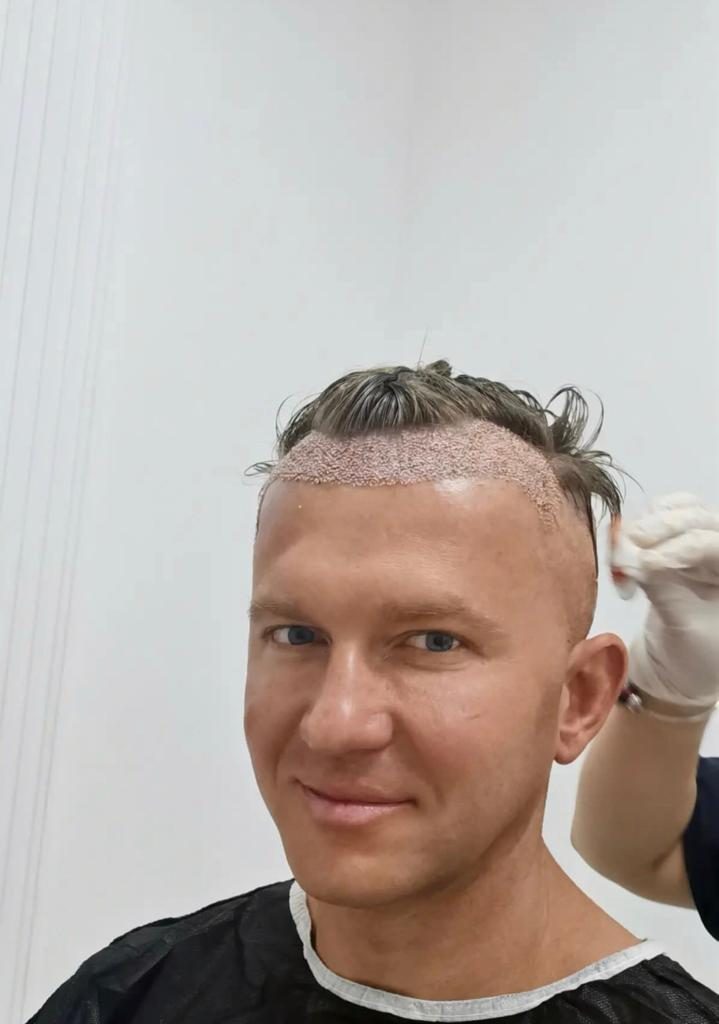
Unshaven vs Shaven: Cost
An unshaven hair transplant usually costs more than a standard shaven procedure because it takes longer and demands more precision — typically $2,500–$4,000 all-inclusive in Turkey. Compare options in our full cost guide and FUE vs DHI comparison.
Frequently Asked Questions
See If You Qualify for No-Shave — Free
Send a few photos and our team will tell you if the unshaven method suits you, with an all-inclusive quote within 24 hours.
Unshaven (no-shave) transplant
Grafts are placed without shaving the recipient area, ideal for those who cannot change their look — popular with women.
Considerations
It suits smaller sessions; very large cases may still need partial trimming for precision.